
Memory slips and mental fatigue show up quietly. A missed word in a meeting. A sentence fading halfway through a thought. Small moments, yet they build over time.
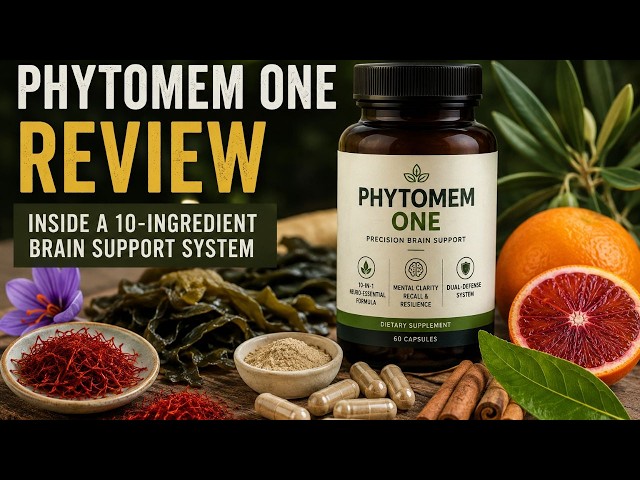
Phytomem One sits in the growing group of cognitive support products built for people dealing with focus drift and everyday mental strain. It is positioned as a plant-based supplement aimed at supporting memory, clarity, and steady attention using ingredients often studied in nutrition science and brain health research, including Bacopa Monnieri, Ginkgo Biloba, and Phosphatidylserine.
Some users consider it during long work hours where focus breaks faster than expected. Others find it while searching for support during study pressure or age-related mental slowdown. The intent stays similar: smoother thinking without overstimulation.
There is a practical side to this category worth noting. Supplements like this rarely behave like quick fixes. The effects people report tend to build gradually, and results vary widely depending on sleep, stress load, and daily routine. That gap between expectation and reality creates most confusion.
Phytomem One also appears in a space filled with strong claims and mixed marketing messages. Some pages lean heavily on promises, others focus on ingredient logic without showing how it plays out in everyday use. Sorting through that noise requires a slower, more grounded look at what is actually being offered.
One more point sits in the background here. Cognitive support products often overlap with lifestyle factors more than people expect. Work pressure, screen time, and inconsistent rest patterns quietly shape how any supplement performs in practice.
The next section breaks down what the product is positioned to do and how it fits into that broader category.
What is Phytomem One

Phytomem One is a dietary supplement built for cognitive support. It targets memory, focus, and mental clarity through a blend of plant-based compounds and nootropic ingredients often linked with brain health research.
At its core, it sits in a simple category. A daily capsule aimed at supporting how the brain handles information, especially during long work hours or study-heavy routines. Think of it like a maintenance layer for mental load, not a switch that flips performance overnight.
The formulation commonly highlights ingredients such as Bacopa Monnieri, Ginkgo Biloba, and Phosphatidylserine. Each plays a different role in how neurotransmitters and circulation processes function. Bacopa is often discussed in memory recall studies. Ginkgo tends to show up in discussions around blood flow to the brain. Phosphatidylserine is tied to cell membrane support. None of these act in isolation. The effect depends on consistency and lifestyle patterns.
There is also a practical reality here. Cognitive supplements rarely produce uniform results. Sleep quality, screen time, and daily stress load all affect how any formula behaves in real life. A busy week with poor rest can blur any benefit. A stable routine tends to show clearer changes over time.
One detail worth attention is expectation control. Products like this are often pulled into aggressive marketing claims online. That creates a gap between what people expect and what actually happens. Most users end up noticing gradual shifts rather than sharp changes. Subtle improvements in focus during long tasks. Slightly easier word recall in conversation. Nothing loud, more like background tuning.
The positioning of Phytomem One sits somewhere between nutritional support and cognitive maintenance. Not a replacement for sleep or structure, but an added layer some users test when mental fatigue becomes noticeable.
There is more to unpack around how it is formulated and how it is meant to function in daily use.
Learn What Phytomem One Is And How It Fits Modern Cognitive Support
Key Features of Phytomem One
Phytomem One is a brain-focused supplement built around daily mental support. It sits in a category where small cognitive shifts matter more than dramatic changes. A clearer morning. Less mental drag during long tasks. This pattern shows up more often in this space.
The formulation leans on plant-based compounds often linked with cognitive performance research.
- Bacopa Monnieri is commonly used in memory recall studies.
- Ginkgo Biloba appears in discussions around circulation and oxygen flow to the brain.
- Phosphatidylserine supports cell membrane activity and neural signaling.
These ingredients are not new. They have been studied for years in different settings. What changes here is the combination and dosage approach inside a single daily capsule.
There is also a practical side worth noticing. Many users deal with mental fatigue in environments that do not slow down. Work tabs open everywhere. Constant switching between tasks. Sleep gets shortened by schedules, not choice. Products in this category often get tested in these exact conditions.
Phytomem One also positions itself around steady use rather than quick shifts. That matters. Cognitive support rarely behaves like caffeine. No sudden spike. No sharp drop. More like a slow leveling of background noise in the mind over time.
Some reports in this category mention focus stability during repetitive tasks.
- Reading
- Admin work
- Long study sessions
Not sharper intelligence, but fewer interruptions in thought flow. This distinction matters more than marketing language suggests.
One quiet detail often overlooked is consistency pressure. Missing doses or irregular routines tends to blur results. The body does not respond like a switch system here. It reacts more like a pattern recognition loop over weeks.
Ingredient transparency is another point to consider. In a market filled with vague “proprietary blends,” clearer labeling tends to build more trust with users comparing options across brands.
Nothing here replaces sleep or workload balance. Some people still test it when mental friction starts showing up in daily routines.
Phytomem One Ingredients
Phytomem One brings together a set of plant-based compounds often linked with cognitive support research. A brain support formula like this focuses on communication inside neural pathways, not stimulation spikes. A different angle. A steadier rhythm.
The ingredient mix leans on a few familiar names in nootropic discussions.
- Bacopa Monnieri: often studied for memory recall and learning speed support
- Ginkgo Biloba: commonly associated with circulation and oxygen flow to the brain
- Phosphatidylserine: linked with cell membrane flexibility and signal efficiency
- Lion’s Mane Mushroom: explored in nerve growth support research
- Alpha-GPC: a choline source tied to acetylcholine production
- Huperzine A: studied for its role in maintaining neurotransmitter availability
Each one carries a different angle. Memory. Circulation. Signal stability. The idea sits in stacking small contributions rather than forcing one dominant effect.
Lion’s Mane often gets attention in modern brain health circles. It appears in discussions about long-term neural support. Not instant clarity, more structural support over time. Alpha-GPC plays a different role, more tied to short-term neurotransmitter supply. The contrast feels like different gears working in the same system.
There is also a formulation balance worth noting. Some compounds act fast in the body. Others work slower and build over days or weeks. When combined, results rarely feel linear. One week feels flat. Another feels slightly sharper. That uneven pattern is normal in this category.
Ingredient quality matters too. Dosage, sourcing, and standardization often separate basic blends from more structured formulations. Many supplements in this space hide behind proprietary mixes. Clear labeling tends to give users more confidence when comparing options.
Diet and daily habits sit in the background of all this. Caffeine intake, hydration, and sleep cycles often influence how these ingredients are perceived. A cleaner routine tends to reveal clearer patterns.
There is also a subtle interaction effect worth noting. Brain chemistry does not respond in isolation. One ingredient may support a pathway, while another supports recovery or signaling efficiency. The overlap creates a layered response rather than a single effect line.
Nothing here replaces structured rest or workload control. Some users still test this blend during periods of heavy mental demand, where focus drift becomes more noticeable.
How Phytomem One Claims to Work
Phytomem One is a cognitive support supplement built around how the brain handles signaling, blood flow, and daily mental load. It works through a mix of plant compounds and phospholipids often linked with memory and focus support research.
The idea is simple on paper. Support the brain’s internal communication so mental tasks feel less scattered. Not faster thinking. More stable thinking.
A small chain of processes sits behind this.
- Neurotransmitter support linked with Bacopa Monnieri
- Circulation support often associated with Ginkgo Biloba
- Cell membrane stability tied to Phosphatidylserine
Each part plays a different role. None works in isolation. The effect depends on timing, consistency, and how the body responds over weeks.
There is a practical angle often missed. The brain does not reset daily like a device. It adapts. Sleep patterns, workload spikes, and even long screen exposure shift how sharp or foggy a day can feel. This is where products like this tend to show gradual influence rather than sudden change.
Some users describe a slow smoothing of mental friction. Reading feels less interrupted. Conversations flow with fewer pauses. Nothing dramatic. More like background noise dropping a few notches.
Absorption speed also plays a role. Capsules like this typically break down within a short window in the digestive system. After that, nutrients move into circulation and interact with neural pathways over time. No instant signal shift. More like layering effects across days.
There is also a timing effect worth noticing. Morning use tends to align with natural alertness cycles. Afternoon use often gets tested during fatigue windows, where focus drop is more noticeable. Results vary across these patterns.
One overlooked factor is consistency. Irregular intake often blurs perception of results. The system responds more like a trend line than a spike. Missed doses flatten the curve quickly.
Work environments matter too. Open tabs, constant notifications, and task switching create cognitive drag. Any supplement in this category gets measured against that reality, not a controlled setting.
Understand How Phytomem One Is Designed To Support Brain Function
How to Use Phytomem One
Phytomem One is a daily cognitive support supplement taken in capsule form. Usage focuses on routine consistency, simple timing, and steady intake patterns. The goal sits on maintaining a stable rhythm for brain support over time, not quick bursts of energy.
A clear definition helps here. Usage guidelines refer to how a supplement is taken, timed, and paired with daily habits to support absorption and effectiveness.
A few practical points shape how people approach it in real routines.
- Standard intake
One capsule taken daily with water. Morning use often fits work schedules better. - Timing habits
Morning intake aligns with natural alert phases. Some users prefer breakfast time for smoother digestion. - Consistency pattern
Daily repetition matters more than dose changes. Irregular intake tends to blur perceived effects. - Food pairing
Light meals or balanced breakfasts may support smoother absorption. Heavy or skipped meals can shift how the body responds. - Caffeine spacing
Coffee close to intake sometimes overlaps with stimulation patterns. A short gap often creates a cleaner experience.
There is also a behavioral angle here. Many cognitive supplements sit inside busy routines filled with screens, meetings, and constant task switching. Small timing choices often influence how noticeable the effects feel.
A quiet detail appears in long-term use. The body responds more like a rhythm tracker than a switch. Consistent days build a pattern. Gaps reset it. That is where expectations and reality often drift apart.
Some users adjust timing based on workload. Heavy focus days in the morning. Lighter use during slower schedules. The flexibility exists, but consistency still drives the main outcome.
Storage plays a subtle role too. Heat and humidity can affect capsule stability over time. A cool, dry place helps maintain product quality across the full usage period.
There is also a simple rule in this category. Lifestyle habits sit in the same system. Sleep quality, hydration, and stress load often shape how any supplement is perceived during the day.
Nothing here replaces structured rest or workload control. It sits alongside those patterns, not above them.
User Feedback and Real-World Impressions
Phytomem One sits in a category where feedback tends to split into patterns rather than strict agreement. Cognitive supplements rarely create identical outcomes. Daily habits, workload, even sleep debt shape what users notice first.
Reports often circle around small shifts rather than big changes. A clearer stretch during work blocks. Fewer pauses while reading long text. Some mention a steadier mental pace during repetitive tasks, like spreadsheets or long meetings.
A common theme shows up across different user groups:
- Students mention focus stability during study sessions
- Professionals point to reduced mental fatigue in long workflows
- Older users often notice gradual memory recall ease over time
The tone of feedback leans measured. Not loud claims. More like subtle adjustments in how thinking flows through the day.
There is also a timing pattern worth noting. Early use rarely shows strong effects. Many users describe a shift only after consistent daily intake. Gaps in routine often reset the perceived progress. That creates a “start-stop” experience for some.
One detail worth attention is expectation mismatch. A portion of users approach this category expecting fast clarity shifts. Reality tends to land slower. That gap shapes much of the mixed feedback online.
Side-effect reports remain limited in most public discussions, often described as mild or short-lived when they appear. Digestive sensitivity shows up occasionally, usually linked to timing or food intake.
Context matters more than the product alone. Heavy screen exposure, irregular sleep, and high caffeine intake often sit in the background of user experiences. When those factors shift, perceived results shift as well.
There is also a quiet consistency factor. Users who maintain regular routines tend to report more stable impressions compared to those with inconsistent usage. The pattern is less about intensity and more about repetition over time.
Some feedback highlights a simple point. It does not feel like stimulation. It feels like less mental resistance during normal tasks. Not dramatic, just smoother transitions between thoughts.
Read Real-World Feedback And Usage Patterns Of Phytomem One
Potential Side Effects and Safety Concerns
Safety in cognitive supplements sits in a grey zone of expectations and biology. Phytomem One falls into a category built from plant extracts and nutrient-based compounds often studied for brain support, not medical treatment.
A basic definition helps here. Safety profile refers to how a product behaves in the body across typical use, including tolerance, side effects, and interaction risks.
Most ingredients linked with this formula, such as Bacopa Monnieri and Ginkgo Biloba, appear in long-standing nutritional research. Reports often describe mild reactions rather than severe responses. Still, responses vary from person to person. No two nervous systems react in the same rhythm.
A few patterns show up in general usage feedback:
- Digestive sensitivity in early days for some users
- Head pressure or light fatigue shifts during adjustment periods
- No noticeable change for users with low baseline cognitive strain
These reactions are not universal. They tend to appear more during the first stretch of use, then settle as routines stabilize.
Timing plays a role. Morning intake aligns better with daily alert cycles for many users. Evening use sometimes overlaps with winding-down periods, which can feel off for certain people. Small adjustments often change perception more than expected.
There is also a simple rule in this category. Consistency reveals more than dosage changes. Irregular use can blur any pattern, making effects harder to notice. A steady routine gives a clearer signal over time.
Caffeine habits often sit in the background here. High intake may mask or overlap with perceived effects. Sleep debt does something similar. It becomes harder to separate product response from lifestyle noise.
Interactions with medication remain a separate topic. Ginkgo Biloba and other compounds can influence blood flow pathways. Anyone on prescribed treatments should review compatibility with a qualified professional before combining routines.
Storage and handling rarely get attention, yet they matter. Heat exposure, humidity, and poor sealing can affect capsule stability over time. Small detail, but it shapes consistency.
Nothing in this category guarantees identical outcomes. The body does not run on fixed settings. It adapts, responds, and recalibrates based on internal and external inputs.
Pricing and Where to Buy Phytomem One
Phytomem One sits in a mid-to-premium supplement bracket. Cost shifts based on bundle size. Single bottles tend to carry the highest per-unit price, while multi-bottle packs reduce cost over time.
A simple way to view it. Smaller order equals flexibility. Larger order leans toward long-term use planning.
Price Breakdown
- Single bottle option
- Higher cost per unit
- Best for short trial use
- Limited savings
- 2-bottle package
- Entry bundle level
- Slight reduction per bottle
- Suitable for first-time users testing response
- 3-bottle package
- Balanced cost tier
- Moderate savings per unit
- Often chosen for steady routine setup
- 6-bottle package
- Lowest cost per bottle
- Strongest long-term value position
- Common choice for extended use cycles
There is a pattern across supplement buying behavior. Many users start small, then shift toward bundle pricing once routines stabilize. Cognitive support products tend to show clearer patterns after consistent use, so pricing structure often aligns with that behavior curve.
A detail worth attention. Subscription models or bundle offers sometimes shift during promotional periods. Seasonal campaigns or brand events can adjust pricing windows without changing core product formulation.
Who Should Buy and Who Should Avoid
A cognitive support supplement like Phytomem One tends to suit people dealing with mental load rather than clinical conditions. It sits in the space between daily nutrition and focus support, so expectations matter more than anything else.
Some users approach it during periods of heavy thinking pressure. Others test it during gradual memory changes linked with age or routine fatigue. Different reasons, same goal—clearer mental flow during normal tasks.
Here is a simple breakdown of suitability:
Who Should Buy
- Adults dealing with occasional memory lapses during work or study
- Professionals handling long focus hours with repeated task switching
- Students managing dense reading, revision, or exam prep schedules
- Individuals exploring plant-based cognitive support routines
- Users aiming for steady mental clarity across daily routines
Who Should Avoid
- Individuals under 18
- Pregnant or breastfeeding users
- People with serious liver or kidney conditions
- Users on blood-thinning medication or MAOI-related treatments
- Those expecting immediate cognitive shifts or sharp performance spikes
There is also a practical layer here. Expectations shape satisfaction more than ingredients alone. Someone looking for subtle focus stability may interpret results differently compared to someone expecting fast mental shifts within days.
Lifestyle also plays a quiet role. High caffeine intake, irregular sleep, or constant screen switching can blur perception of benefits. The same product can feel different depending on daily rhythm. You know how a calm morning feels different from a rushed one? Same idea applies here.
One more point worth noting. This type of supplement often works better as part of a broader routine rather than a standalone fix. Food quality, sleep consistency, and workload structure sit in the background of everything.
Some users treat it like a support layer during demanding weeks. Others use it longer term during periods where mental sharpness slowly drifts over time.
Final Verdict
Phytomem One sits in a space where ingredient logic and marketing storytelling do not always move in sync. The formula itself leans on compounds with established research interest in cognitive support. Bacopa Monnieri, Ginkgo Biloba, and Phosphatidylserine each carry independent scientific attention. That part of the structure feels grounded.
The stronger side of the product is formulation intent. The blend targets memory support, focus stability, and mental fatigue patterns through multiple biological pathways. Blood flow, neurotransmitter activity, and membrane signaling all get partial coverage. A multi-angle design like this is common in modern nootropic stacks.
Still, a key limitation remains. Full transparency on dosage levels is not always clearly presented in public-facing material. This creates a gap between theoretical potential and real-world validation. Without clear milligram disclosure, scientific comparison becomes harder.
Marketing tone also leans heavier than the underlying evidence can fully justify. Terms around clarity and cognitive uplift appear frequently, while human response data stays limited to general feedback patterns rather than controlled studies.
Real-world impressions tend to cluster in a balanced zone. Some users report steadier focus during long tasks. Others notice little change beyond baseline variation. That spread is expected in supplements acting on sleep, stress, and workload-dependent systems.
A practical takeaway sits in the middle ground.
Phytomem One may suit adults looking for mild cognitive support during periods of mental load. Work-heavy schedules, study blocks, or focus-intensive routines tend to be the typical context of use. It does not replace structured sleep, nutrition, or stress control. Those factors still hold stronger influence on cognitive performance.
Care is still part of the picture. Anyone on medication or with existing conditions should review compatibility before use. Ingredient interactions in brain-active compounds deserve attention, even when sourced from plants.
A final note lands on expectations. Results, when they appear, tend to build gradually rather than show immediate change. Consistency matters more than intensity here. Anyone considering this product should treat it as a supporting layer, not a central solution for cognitive performance.
Visit the official product page for current formulation details and availability before making a decision.
Frequently Asked Questions
Does Phytomem One really work for memory improvement?
Yes, results often depend on consistency and baseline cognitive condition. Reports linked to ingredients such as Bacopa Monnieri show gradual support for memory retention and recall over several weeks. Noticeable change tends to appear between 3 to 6 weeks with steady use.
Is Phytomem One safe to take daily?
Daily use is common within recommended dosage ranges. The formula uses plant-based compounds produced in controlled manufacturing environments. Anyone on medication or with health conditions should check compatibility with a healthcare professional before use.
What are the Phytomem One side effects?
Side effects appear in a small portion of users and are usually mild. Digestive sensitivity is the most mentioned reaction during early use. Taking capsules with food often reduces discomfort. Strong reactions remain uncommon.
How long before results show?
Most users report early shifts in mental clarity after 2 to 3 weeks. More stable changes in focus and memory often take 4 to 6 weeks. Routine consistency plays a large role in how clear those changes appear.
Is Phytomem One a scam or legit product?
It is positioned as a legitimate cognitive support supplement with ingredient transparency and standard manufacturing practices. Perception varies based on expectation. Slower cognitive change often leads to mixed opinions in early use stages.
What is the price of Phytomem One supplement?
Single bottle pricing sits higher per unit. Multi-bottle bundles reduce cost per serving and are often positioned as better long-term value. Promotional discounts may vary by official listing periods.
Where to buy Phytomem One officially?
Official website is commonly used for direct purchase. This reduces risk of receiving altered or expired stock from third-party listings. Packaging and return policies usually depend on the original source.
Can it be taken with coffee or medication?
Coffee intake is generally combined without issue in many cases. Prescription medications require caution, especially blood-related or neurological treatments. Professional medical advice helps avoid unwanted interactions.
Does it offer a money-back guarantee?
A return window is often included through official sellers. Terms vary by vendor, with standard conditions covering unused or partially used bottles within a fixed period.
Is it suitable for vegan or gluten-free diets?
Many versions in this category use plant-based capsules and avoid gluten sources. Label verification remains important for dietary restrictions or allergy concerns.
How does it compare to other brain supplements?
Comparison often centers on ingredient transparency, dosage clarity, and third-party testing availability. Products with full disclosure tend to build more trust than proprietary blends with limited breakdowns.
Affiliate Disclosure:
The links contained in this product review may result in a small commission if you opt to purchase the product recommended at no additional cost to you. This goes towards supporting our research and editorial team and please know we only recommend high quality products.
Disclaimer:
Please understand that any advice or guidelines revealed here are not even remotely a substitute for sound medical advice from a licensed healthcare provider. Make sure to consult with a professional physician before making any purchasing decision if you use medications or have concerns following the review details shared above. Individual results may vary as the statements made regarding these products have not been evaluated by the Food and Drug Administration. The efficacy of these products has not been confirmed by FDA-approved research. These products are not intended to diagnose, treat, cure or prevent any disease.