
Undergoing a root canal treatment can be intimidating for many, but with the right preparation and aftercare, the process can be much smoother than you might expect. Whether you’re nervous about the procedure or simply want to ensure your recovery goes as planned, this guide will provide essential tips on making your root canal go smoothly from beginning to end.
What You Need to Know Before Your Root Canal
While the thought of a root canal may trigger some anxiety, the procedure itself is often much more straightforward than anticipated. Advances in dental technology have made root canals quicker, more comfortable, and less painful than in the past. Still, preparation is key to ensuring the best outcome.
Why Is a Root Canal Needed?
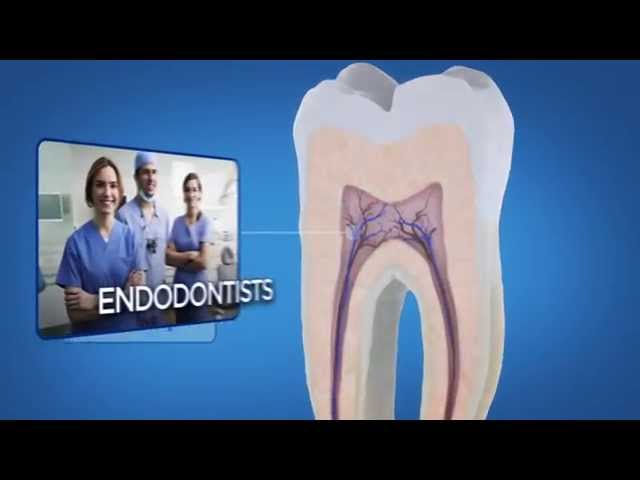
A root canal is performed when the pulp inside a tooth becomes infected or damaged. This pulp contains nerves and blood vessels, and if it becomes infected, it can lead to serious complications like abscesses or tooth loss. The procedure involves removing the infected pulp, cleaning the inside of the tooth, and sealing it to prevent further issues.
Preparing for the Procedure
Before the procedure, your dentist will discuss what to expect and may take X-rays of your teeth to assess the extent of the damage. You’ll also be given local anesthesia to numb the area, ensuring that you’re comfortable throughout the process. Most root canals can be completed in one or two visits, depending on the severity of the infection and the complexity of the tooth.
During the Procedure: What to Expect
Once the anesthesia takes effect, your dentist will begin by making a small opening in the tooth to access the pulp. The infected or damaged pulp is then carefully removed. After the pulp is cleared, the inside of the tooth is cleaned, disinfected, and shaped to allow for proper sealing.
In some cases, a temporary filling will be placed to protect the tooth while it heals. Once the root canal is completed, a permanent filling or crown may be applied to ensure the tooth’s strength and functionality.
Though the procedure itself might take an hour or two, the good news is that modern techniques, including sedation and local anesthesia, make the process relatively pain-free.
The Critical Aftercare: Ensuring a Smooth Recovery
The most important phase of the root canal process comes after the procedure—recovery. Taking the right steps in the days following your root canal can help speed up your recovery and minimize any discomfort or complications.
1. Brush and Floss Regularly
Oral hygiene is critical to ensuring your root canal recovery goes smoothly. In the first few days after the procedure, continue brushing and flossing as usual. It’s crucial to keep your mouth clean to prevent infection, especially since your tooth will be more susceptible to bacterial buildup.
Be sure to brush gently around the treated tooth to avoid disturbing the healing area, and use a soft-bristled toothbrush to avoid discomfort.
2. Pick the Right Diet
After a root canal, it’s common for the treated tooth to feel sensitive for a few days. Because of this, it’s a good idea to stick to a soft-food diet for the first few days to avoid discomfort and protect the temporary filling. Foods like mashed potatoes, smoothies, and soups are perfect choices for the initial healing period.
Avoid hard or chewy foods, such as nuts, bread, or steak, as these can put too much pressure on the tooth and potentially dislodge the filling or cause pain. Additionally, chewing on the opposite side of your mouth can help protect the treated tooth from any unnecessary pressure.
3. Chew Carefully
Although your tooth may be feeling fine, remember to chew carefully. Avoid placing too much pressure on the treated tooth during recovery. The temporary filling in your tooth could be damaged if it’s exposed to too much force. It’s a good habit to chew on the other side of your mouth to protect the treated area until it’s fully healed.
4. Watch for Infections
While root canals are designed to prevent infection, it’s still important to monitor the treated area for any signs of complications. Look out for swelling or redness in the gums, especially around the treated tooth. If you notice any unusual symptoms, such as severe pain, excessive swelling, or a bad taste in your mouth, it’s crucial to contact your dentist immediately.
Infections can occur if the tooth isn’t completely sealed or if bacteria enter the treated area, so taking care of the tooth after the procedure is essential to avoid complications.
5. Rest and Allow Time to Heal
Give yourself time to rest after the procedure. Even though you may feel fine within a few days, it’s important to allow your body to heal and reduce any lingering discomfort. Most patients can return to their normal activities within a day or two after the root canal, but it’s still important to take it easy and avoid strenuous activity in the immediate aftermath.
Remember that the treated tooth may remain sensitive for a few days. If you experience mild discomfort, over-the-counter pain relievers like ibuprofen or acetaminophen can help manage the pain. However, if you feel any sharp pain or if the discomfort worsens, be sure to contact your dentist right away.
Long-Term Care: Protecting Your Investment
Once your root canal is complete and you’ve fully recovered, long-term care is essential to keep your tooth healthy. Your dentist will likely recommend placing a permanent crown on the treated tooth, which will help protect it from future damage and restore its strength.
Avoiding habits like chewing ice or grinding your teeth can help prolong the life of your treated tooth. Additionally, regular dental check-ups will ensure that your tooth remains in good condition and free from infection.
Conclusion: Make Your Root Canal Go Smoothly
A root canal can be a simple and effective way to save a damaged tooth, but it’s important to follow proper care instructions to ensure the treatment goes smoothly. From preparing for the procedure to monitoring your recovery, taking these simple steps will help ensure that your root canal is a success. Remember to brush and floss regularly, avoid hard foods, and watch for signs of infection. With the right care, you’ll be back to your regular routine in no time!