
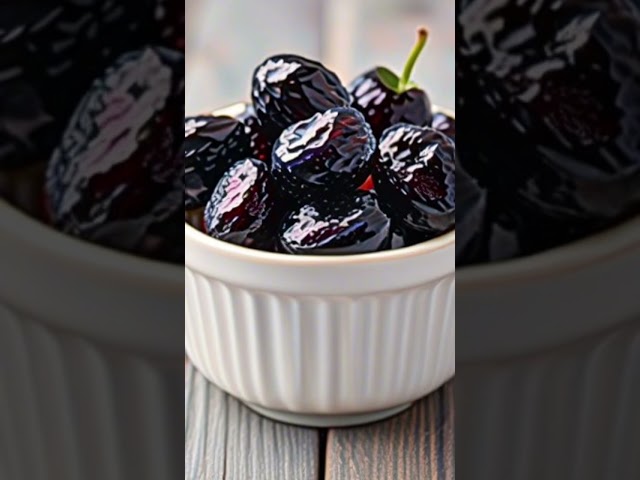
Bone health often goes unnoticed until problems arise. Many people focus on calcium and vitamin D, but research suggests that certain foods can actively support bone density and reduce the risk of osteoporosis. One surprising contender? Prunes. These naturally sweet dried fruits are more than just a digestive aid—they contain powerful nutrients that may help slow bone loss and even promote bone formation.
For those looking to strengthen their bones naturally, prunes could be a simple yet effective addition to a well-rounded diet. Let’s explore their potential role in bone health and osteoporosis prevention.
Why Bone Strength Is Important
Bones serve as the structural foundation of the body, providing stability, mobility, and protection for vital organs. As time progresses, bone density tends to decline, increasing the risk of fractures and conditions like osteoporosis. While many recognize calcium and vitamin D as key players in bone health, fewer realize that certain foods can actively support bone density.
Among these, prunes stand out as a natural remedy with significant potential to promote stronger bones. Understanding how these dried fruits contribute to bone integrity can be a game-changer for those looking to maintain mobility and prevent osteoporosis-related complications.
Prunes And Bone Health
Several scientific studies suggest that prunes may help reduce bone loss and improve overall bone structure. These dried plums contain a unique combination of nutrients that work together to support skeletal health. Boron, vitamin K, magnesium, and phenolic compounds found in prunes have been linked to maintaining bone mineral density.
Additionally, prunes may play a role in reducing oxidative stress and inflammation, both of which contribute to bone degradation. Research has shown that consuming a handful of prunes daily can slow down the process of bone resorption, the natural breakdown of bone tissue that occurs with age.
Plums Nutrition Information
Although prunes are best known for their digestive benefits, their nutritional value extends far beyond fiber. A serving of prunes provides:
- Vitamin K – Supports calcium regulation and bone mineralization.
- Boron – Plays a role in bone growth and maintenance.
- Magnesium – Helps with calcium absorption and bone formation.
- Potassium – Aids in reducing calcium loss from bones.
- Polyphenols – Antioxidants that help reduce bone degradation.
This combination makes prunes one of the most nutrient-dense fruits for supporting long-term bone strength.
Prune Juice And Bone Health
For those who prefer a liquid option, prune juice can be a convenient way to gain similar benefits. While whole prunes provide fiber that supports digestion, prune juice still contains key nutrients that contribute to bone health. Regular consumption can help regulate calcium balance, reduce oxidative damage, and support overall bone structure.
To maximize the benefits, it’s best to opt for unsweetened prune juice, as excessive sugar intake can have negative effects on bone density over time.
Prunes: It Does An Economy Good
The positive impact of prunes isn’t limited to individual health—they also contribute to the economy. The demand for prunes has led to a booming industry, benefiting farmers, suppliers, and the health sector. As more people become aware of their benefits, the global market for prunes continues to expand, reinforcing their value as a health-promoting food.
Additionally, preventing osteoporosis through nutrition can reduce healthcare costs associated with fractures, long-term treatments, and hospitalizations. Investing in bone-supporting foods like prunes can lead to better long-term health outcomes while reducing financial strain on medical systems.
Holistic Bone Health Solution
While prunes provide significant support, a well-rounded approach is necessary for maintaining strong bones. This includes:
- Weight-bearing exercises such as walking, resistance training, and yoga.
- A balanced diet rich in calcium, vitamin D, and protein.
- Limiting processed foods and excessive salt intake, which can deplete bone minerals.
- Sunlight exposure to support vitamin D synthesis.
Incorporating prunes into a daily routine can complement other bone-strengthening strategies, making them an excellent addition to a proactive health plan.
Final Thoughts
Prunes offer a natural, effective way to support bone health and combat osteoporosis. Their unique nutrient profile, ability to slow bone loss, and economic benefits make them a valuable dietary addition. By pairing prune consumption with other bone-supporting habits, individuals can maintain strength and resilience well into later years.
For those looking to take a simple yet effective step toward better bone health, prunes might be one of the best options available.